


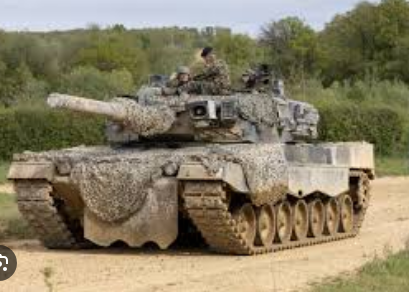
As the U.S. deploys a naval task force to the Caribbean, Venezuela’s President Nicolás Maduro has retaliated by sending warships, drones, and military convoys, including tanks, to its borders. The escalating military buildup raises fears of an all-out conflict in the region.
The simmering conflict between the United States and Venezuela has reached a new and alarming stage. Following the deployment of U.S. warships, including a nuclear submarine, to the waters off Venezuela’s coast, the government of President Nicolás Maduro has mobilized its own forces. Reports from Caracas confirm the deployment of warships, drones, and most recently, military convoys with tanks and thousands of troops to the country’s border zones, particularly near Colombia. This tit-for-tat military escalation has ignited fears of an armed conflict in what some are calling “the U.S. backyard.”
The U.S. administration, citing a renewed focus on combating drug trafficking, has justified its naval presence by accusing the Maduro government of deep ties to powerful drug cartels. The White House has designated the “Cartel de los Soles” as a “foreign terrorist organization,” a move that provides a legal pretext for military action. This deployment is a significant escalation of the long-standing “maximum pressure” campaign against Maduro.
In response, President Maduro has not backed down. He has denounced the U.S. actions as a “clear act of intimidation” and a thinly veiled attempt at “regime change.” Maduro has rallied his military and called on the Venezuelan people to join the Bolivarian militia, positioning himself as the defender of the nation’s sovereignty against what he calls an “imperialist threat.” The deployment of tanks and troops is a dramatic signal that Venezuela is preparing for a potential confrontation.
The international community is watching this dangerous game of brinkmanship with growing concern. While analysts remain divided on the likelihood of a full-scale invasion, they agree that the risk of a miscalculation or an accidental clash has increased exponentially. The presence of a nuclear submarine, in particular, has been criticized by Caracas as an act of extreme hostility. Regional powers, including Colombia, are caught in the middle of this escalating crisis.
The military buildup in the Caribbean is more than just a political standoff; it is a direct challenge to the fragile stability of the Americas. As both sides continue to ramp up their military presence, the region holds its breath. The path to a diplomatic resolution appears fraught with obstacles, and the risk of a dangerous confrontation is higher than ever. Sources