


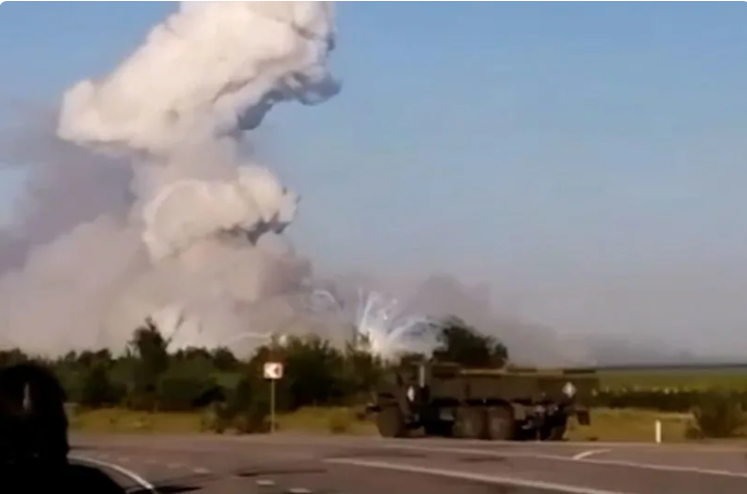
Russia has launched over 500 drones and missiles against Ukraine in a massive assault, while President Volodymyr Zelenskyy intensifies calls for international military and financial aid.
The war in Ukraine has entered another deadly phase as Russia launched more than 500 drones and missiles in a sweeping offensive across multiple regions. The barrage caused widespread destruction, testing Ukraine’s air defenses and heightening the urgency of President Volodymyr Zelenskyy’s appeal for greater international support.
Details of the Russian Assault
According to Ukrainian military officials, the latest wave of attacks included Iranian-made Shahed drones and a mix of cruise and ballistic missiles. Strikes targeted critical infrastructure, residential neighborhoods, and energy facilities.
Local reports confirmed explosions in major cities, including Kyiv, Kharkiv, and Odesa. Power outages and civilian casualties were reported, though Ukraine’s air defense systems intercepted a significant portion of the incoming weapons.
The unprecedented scale—over 500 weapons launched in a short timeframe—underscores Russia’s determination to exhaust Ukraine’s resources and undermine morale.
Ukraine’s Response
Despite the destruction, Ukraine’s defense forces claimed notable successes. Military spokespersons reported high interception rates, with dozens of missiles and drones shot down before reaching their targets.
President Zelenskyy praised the resilience of Ukrainian soldiers and civilians while urging allies to provide more advanced defense systems, including Patriot batteries, long-range missiles, and fighter jets.
“Our strength depends not only on our courage but also on the unity of the free world. We cannot face this storm alone,” Zelenskyy said in his nightly address.
International Reactions
The scale of Russia’s attack drew swift condemnation from Western governments. The United States and European Union reiterated their commitment to supporting Kyiv, with new aid packages under discussion. NATO officials described the strikes as evidence of Moscow’s escalation strategy and called for a coordinated response.
Meanwhile, humanitarian groups warned of worsening conditions as civilian infrastructure continues to be targeted, leaving millions vulnerable during an already difficult season.
Why This Matters
The latest assault highlights three key dynamics of the conflict:
- Russia’s escalation strategy: By unleashing massive waves of drones and missiles, Moscow aims to overwhelm Ukraine’s defenses and destabilize civilian life.
- Ukraine’s urgent need for support: Continued Western aid—financial, military, and humanitarian—remains critical for Kyiv’s survival.
- Global security implications: The war’s intensity reinforces its impact on Europe’s stability, global energy markets, and international security frameworks.
Conclusion
Russia’s launch of over 500 drones and missiles marks one of the most intense attacks since the start of the war, pushing Ukraine to its limits. As Zelenskyy renews his calls for international support, the response from allies will shape not only the next stage of the conflict but also the future of European security.