
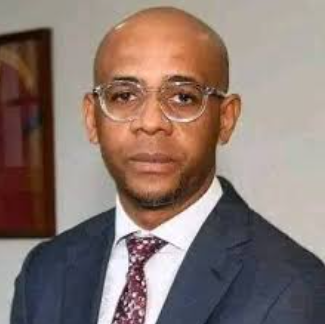
A major political and legal shock has hit Equatorial Guinea, as prominent figure Baltasar Engonga has been sentenced to eight years in prison for embezzlement. The ruling, delivered by the nation’s judicial authorities, has sparked widespread debate about corruption, accountability, and governance in the oil-rich Central African country.
Baltasar was accused of mismanaging public funds and diverting state resources for personal gain. According to official reports, investigators uncovered evidence linking him to millions of CFA francs that were allegedly siphoned from government projects.
The trial was closely watched both domestically and internationally, given Equatorial Guinea’s long history of corruption allegations and concerns about transparency in state institutions. The 8-year sentence sends a strong message, but it also raises questions about whether this represents a genuine fight against corruption or a politically motivated move.
This conviction is considered one of the most high-profile corruption cases in recent years. Observers note that Equatorial Guinea, despite its vast oil wealth, has often struggled with poverty, inequality, and mismanagement of resources.
For many citizens, the case is symbolic. It highlights the growing demand for accountability in a country where political elites have often been shielded from prosecution. Whether this verdict will mark the beginning of deeper reforms remains to be seen.
News of Baltasar’s sentencing has spread quickly across Equatorial Guinea and Central Africa, with mixed reactions.
On social media, young Equatoguineans are calling for broader reforms to ensure that corruption is tackled at all levels—not just through isolated prosecutions.
Equatorial Guinea has faced increasing scrutiny from international watchdogs and NGOs over corruption and governance issues. Transparency International has repeatedly ranked the country poorly on its Corruption Perceptions Index.
Baltasar’s conviction could be seen as an attempt by the government to signal its commitment to accountability, particularly as international partners demand reforms in exchange for aid, investment, and cooperation. However, whether this is the beginning of systemic change or a one-off case remains uncertain.
In addition to his prison sentence, Baltasar is expected to face asset seizures and heavy fines. Legal experts believe the conviction could permanently damage his political career and influence within Equatorial Guinea’s elite circles.
For the broader public, the hope is that this ruling is not just symbolic but part of a genuine push to ensure that national resources benefit citizens, rather than being siphoned away by corruption.
The sentencing of Baltasar Engonga to eight years in prison for embezzlement is a defining moment in Equatorial Guinea’s political and judicial landscape. While the verdict represents a rare instance of accountability for a high-ranking figure, many remain skeptical about whether it signals lasting change.
For now, the case will be remembered as a milestone in the fight against corruption—but its true impact will only be measured by what comes next.

Discover how smart people in Cameroon are using affiliate marketing with SuccessLife to build online income streams. Learn step-by-step strategies...

Affiliate marketing today in Cameroon and Africa in particular is on the rise, with many youths getting more and more...

Making money online today is very possible. Alot of people make money online today with Affiliate Marketing from home. You...

Earning money online today is very easy. You can earn $1000 online monthly. Learn how to make $1000 online as...

Learn how to scale your online business effectively. Discover proven strategies for increasing revenue, expanding your audience, automating processes, and...

Curious how much print-on-demand sellers earn? Discover real income ranges, beginner vs expert earnings, and how to maximize your profits...