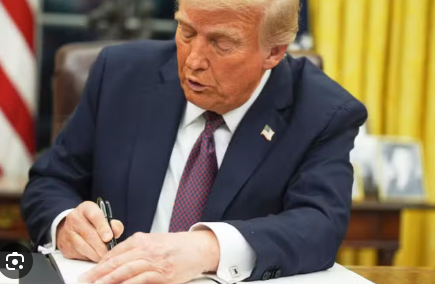
The news that former Vice President Kamala Harris’s Secret Service protection has been revoked has sent ripples through political and security circles. While the law governing Secret Service details for former vice presidents is clear, the decision to end her extended protection has sparked a fierce debate about security, political retaliation, and the use of presidential power.
Under a federal law, former vice presidents are entitled to Secret Service protection for a period of six months after leaving office. For Kamala Harris, this statutory protection ended in July. However, before leaving office, the previous administration had quietly signed an executive order to extend her detail for an additional year, citing the heightened political climate and ongoing security threats. This is a common practice for former high-ranking officials who face sustained public threats.
The current administration, however, has issued an executive memorandum to the Department of Homeland Security instructing the Secret Service to discontinue this extended protection. The decision, which comes just ahead of Harris’s scheduled book tour, has been widely criticized by security experts and political opponents. They argue that the move places her at unnecessary risk, particularly given her historic position as the first female, first Black, and first South Asian vice president, which has made her a frequent target of threats.
Supporters of the decision, on the other hand, argue that the move is simply a return to the standard protocol. A senior White House official stated that a recent threat assessment conducted by the Secret Service did not find any credible evidence of a threat to the former vice president that would warrant an extension beyond the standard six-month period. They also point to the fact that other former officials, including members of the previous administration, did not have their protection extended.
This is not the first time the current administration has taken such an action. Similar moves have been made to revoke the security clearances or protection of other political opponents and former officials. This pattern has led critics to accuse the administration of weaponizing presidential power for political retribution.
The end of her federal protection has left Harris’s team scrambling to arrange private security, which, as experts note, can never fully replicate the resources, intelligence, and legal authority of the U.S. Secret Service. The move has put the spotlight on the ongoing tensions between political rivals and the role of security in an increasingly polarized nation. Sources


Today Many people are faced with spiritual attacks. Discover seven spiritual signs that may indicate obstacles to your financial breakthrough...

Discover how smart people in Cameroon are using affiliate marketing with SuccessLife to build online income streams. Learn step-by-step strategies...

Affiliate marketing today in Cameroon and Africa in particular is on the rise, with many youths getting more and more...

Making money online today is very possible. Alot of people make money online today with Affiliate Marketing from home. You...

Earning money online today is very easy. You can earn $1000 online monthly. Learn how to make $1000 online as...

Learn how to scale your online business effectively. Discover proven strategies for increasing revenue, expanding your audience, automating processes, and...