


August 10, 2026
11:01 am

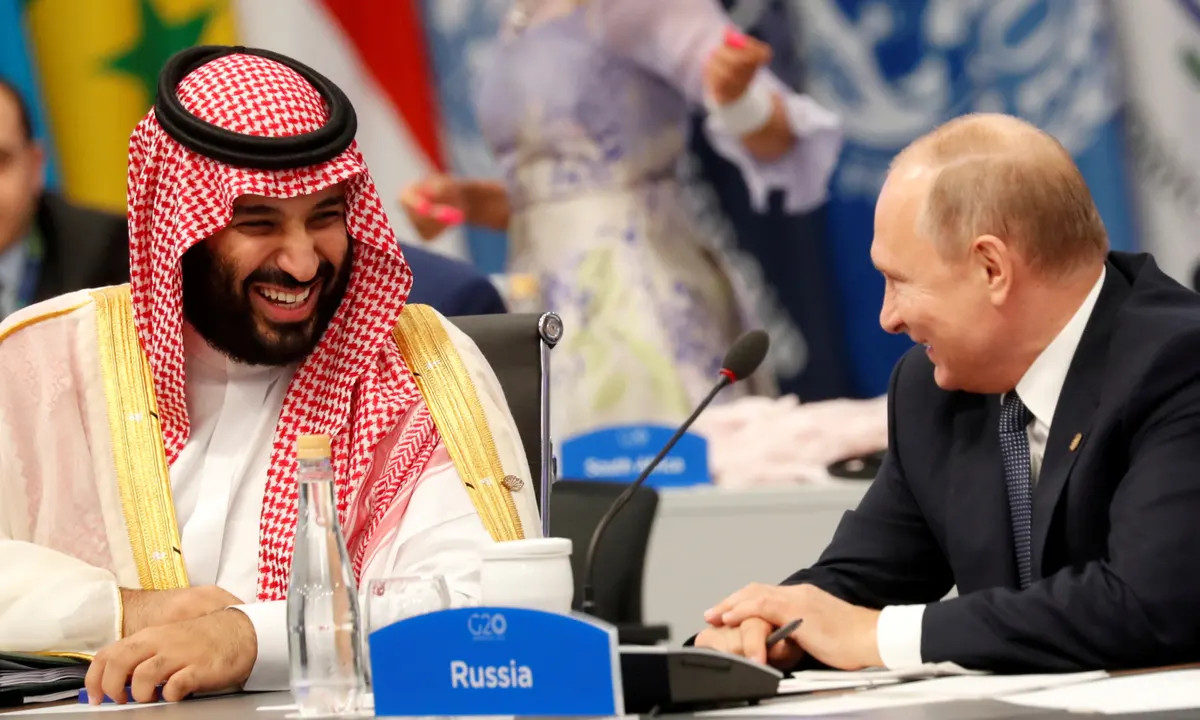
At the Shanghai Cooperation Organisation (SCO) summit in Tianjin, Russian President Vladimir Putin, speaking after meetings with Chinese President Xi Jinping and Indian Prime Minister Narendra Modi, delivered a pointed message: for peace to hold in Ukraine, the issue of NATO’s eastward expansion must be addressed Reuters.
Putin framed NATO expansion as a core driver of the Ukraine war. He argued that Western attempts to pull Ukraine into the alliance represent a direct threat to Russian security—root causes that, as he sees it, must be tackled for peace to be sustainable ReutersAsiaOne. Coming on the heels of his recent summit with former U.S. President Donald Trump in Alaska, Putin hinted that common ground is emerging, particularly around security guarantees and Western restraint ReutersAP News.
Earlier this year, multiple reports revealed that Putin is demanding, as a condition for ending the war, written pledges from Western powers not to admit more countries into NATO—especially Ukraine, Georgia, and Moldova Yahoo News UKOC Media. He is also calling for neutrality for Ukraine, sanctions relief, and protections for Russian speakers in areas under Russian control The Straits TimesThe Economic Times.
While firmly rejecting NATO membership for Ukraine, recent diplomatic shifts suggest possible alternatives. Reports indicate that Putin might accept NATO-style security guarantees offered by the U.S. and European partners, without formal alliance membership. This compromise could include something akin to Article 5-style assurances AP News.
Aligning with Xi and Modi at the SCO summit serves a symbolic purpose. As Western leaders expressed alarm over the proliferation of authoritarian solidarity, Beijing’s hosting of the meeting highlighted a growing counterweight to Western-led institutions Reuters+1. By placing NATO’s expansion at the heart of any peace dialogue, Putin not only reinforces Russia’s rhetorical justification for its invasion—but also asserts Russia’s role in reshaping security norms.
Putin’s insistence on addressing NATO enlargement poses a conundrum: Can peace be achieved without compromising Ukraine’s sovereign choice to pursue alliance membership? Western and Ukrainian officials have consistently upheld Ukraine’s right to decide its own future—notably rejecting any blanket veto from Moscow The Straits TimesWikipedia.
Meanwhile, alternatives like robust, enforceable security pacts could open a middle path—but only if they are credible, inclusive of Ukraine’s interests, and seen as legally binding. As negotiations unfold, the challenge will be reconciling Moscow’s demands with Kyiv’s sovereignty and transatlantic values.
Putin’s latest stance, following high-profile talks with Xi and Modi, again positions NATO’s eastern expansion as a litmus test for peace in Ukraine. Whether this recalibrates the diplomatic trajectory or hardens the status quo remains to be seen—but it clearly signals that any meaningful settlement will hinge on how this contentious topic is handled by all sides.
Today Many people are faced with spiritual attacks. Discover seven spiritual signs that may indicate obstacles to your financial breakthrough...

Discover how smart people in Cameroon are using affiliate marketing with SuccessLife to build online income streams. Learn step-by-step strategies...

Affiliate marketing today in Cameroon and Africa in particular is on the rise, with many youths getting more and more...

Making money online today is very possible. Alot of people make money online today with Affiliate Marketing from home. You...

Earning money online today is very easy. You can earn $1000 online monthly. Learn how to make $1000 online as...
Learn how to scale your online business effectively. Discover proven strategies for increasing revenue, expanding your audience, automating processes, and...